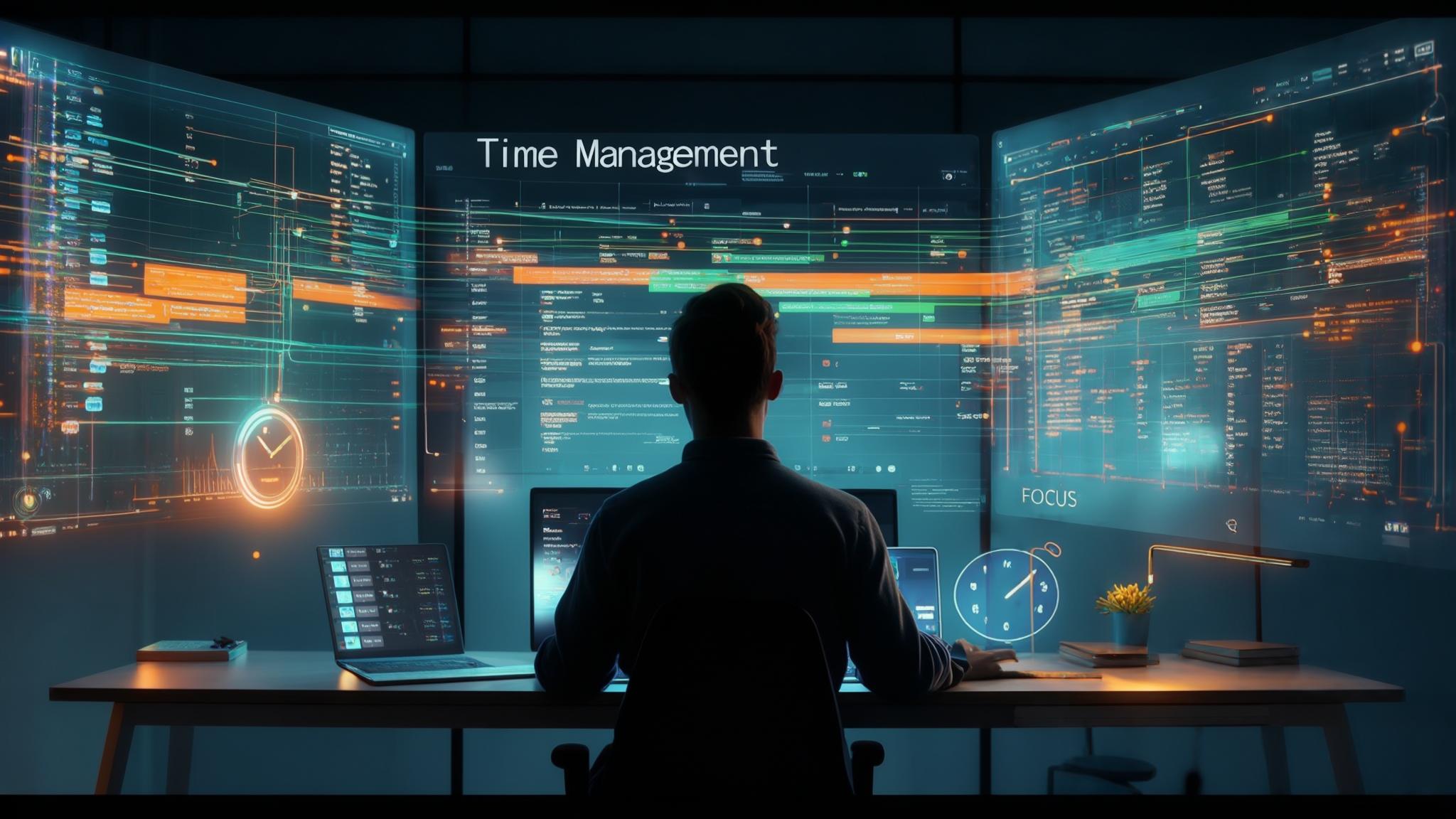
Time management in the digital age: how to manage time and attention
Introduction: New Challenges in Time Management
Today's digital world has radically changed our relationship with time. While just a few decades ago the main distractions were phone calls and unexpected visits from colleagues, today we face unprecedented digital disruptions. Notifications from social media, messaging apps, email, and various apps constantly fragment our attention, creating what researchers call “digital chaos”.
Kaasaegse ajajuhtimise paradoks seisneb selles, et tehnoloogiad, mis peaksid meie aega säästma ja tõhusust suurendama, muutuvad sageli aja peamisteks vargaiks. Keskmine kontoritöötaja kontrollib e-posti iga 6 minuti järel, lülitub ülesannete vahel iga 3 minuti järel ja kulutab kuni 2,5 tundi päevas erinevatele häiringutele.
At the same time, the same technologies that create problems can also provide solutions. Modern planning applications, time-tracking tools, automation systems, and digital minimalism methods offer new opportunities for effective time management.
Combating Digital Distractions
The Anatomy of Digital Distractions
Digitaalsed häiringud jagunevad mitmesse kategooriasse. Välised häiringud hõlmavad rakenduste teavitusi, kõnesid, sõnumeid ja muid väliseid stiimuleid. Sisemised häiringud tekivad harjumusest kontrollida seadmeid isegi teavituste puudumisel, samuti ärevusest, igavusest või viivitamisest.
Kaasaegsed rakendused ja platvormid on spetsiaalselt loodud käitumuspsühholoogia põhimõtteid kasutades, et maksimeerida kasutajate rakenduses veedetud aega. “Tähelepanu hõivamise” tehnikad hõlmavad muutuvaid tasusid, sotsiaalset heakskiitu ja millegi olulise ärajätmise hirmu.
Notification management strategies
The first and most important step in combating digital distractions is to radically reduce notifications. Audit the apps on all your devices and turn off notifications from any apps that are not critically important for your work or safety.
Use the principle of “batch processing” to check messages and notifications. Instead of constantly reacting to every notification, set 2-3 specific times each day to check and respond to messages.
Digital minimalism techniques
Digital minimalism is a philosophy of technology use that focuses on a small number of carefully selected tools that genuinely support your goals and values. This approach requires regularly reassessing your digital habits.
Start with a “digital detox”—a period during which you completely or partially give up unnecessary digital technologies. Practice the “intentional use” of technology—before picking up your smartphone or opening a new browser tab, ask yourself: “Why am I doing this?”
Modern planning and prioritization methods
Ajaplokid digitaalses keskkonnas
Time blocking is a planning method in which each period of time in the calendar is allocated to a specific task or type of work. In the digital age, this method takes on particular importance because it helps create structure amid constant distractions and uncertainty.
Using time blocks effectively requires an understanding of different types of work and their concentration requirements. Deep work, which requires maximum concentration, should be scheduled during periods of peak energy and minimal distractions.
The Getting Things Done system today
The Getting Things Done (GTD) system remains one of the most effective task management methodologies, especially in conditions of information overload. The core principles of GTD—capturing all tasks in an external system, regular review, and contextual organization—are especially relevant in the digital age.
Modern GTD implementation requires the integration of digital tools for capturing, processing, and organizing information. Mobile apps make it possible to record ideas and tasks immediately, while cloud synchronization ensures access to information from any device.
The Pomodoro Technique and energy management
The Pomodoro technique, which involves working in 25-minute intervals with short breaks, is particularly effective for combating digital distractions and maintaining concentration. Fixed intervals create a natural barrier against distractions.
In a digital context, the Pomodoro Technique can be enhanced with specialized apps that not only track time but also block distracting websites and apps during work intervals.
Digital tools for time management
Choosing the right tools
The modern market offers thousands of time management apps and services, which can itself become a source of distraction and procrastination. The key to using digital tools effectively lies in choosing a minimal set of apps.
Tööriistade valimisel tuleks juhinduda põhimõttest “esmalt süsteem, siis tööriist”. Määratlege oma vajadused planeerimises, aja jälgimises, ülesannete haldamises ja suhtluses, seejärel leidke tööriistad, mis neid protsesse kõige paremini toetavad.
Task management systems
Digital task management systems have evolved from simple task lists into complex platforms that support different planning methodologies. Modern applications such as Todoist, Things, Notion, or Asana offer flexible task organization systems.
The key features of an effective task management system include quickly capturing new tasks, a flexible organization and filtering system, reminders and notifications, and the ability to view tasks in different contexts.
Time-tracking apps
Understanding how you actually spend your time is the foundation of managing it effectively. Time-tracking apps such as RescueTime, Toggl, or Clockify provide detailed analytics on time usage and help identify patterns and problem areas.
Automatic time tracking on computers and mobile devices provides an objective picture of how much time is spent on different applications and websites. This information often comes as a revelation to users who underestimate the time they spend on social media or entertainment websites.
Balancing productivity and well-being
The Dangers of Hyperproductivity
Modern productivity culture often leads to an obsession with optimizing every minute and maximizing output. This approach, known as “hyperproductivity,” can lead to burnout, reduced creativity, and a lower quality of life.
A healthy approach to time management involves recognizing the importance of rest, recovery, and “unproductive” time. Periods of apparent inactivity are often when the brain processes information, generates new ideas, and restores resources for future work.
The importance of recovery and rest
Modern neuroscience research confirms the critical importance of regular rest for maintaining high performance. The brain has limited attention and self-control resources, which are depleted throughout the day and need to be replenished.
Microbreaks during the workday help maintain concentration and prevent mental fatigue. Studies show that even 30-second breaks every 10 minutes can significantly improve performance on tasks requiring sustained attention.
Practical implementation strategies
Step-by-step implementation plan
A new time management system should be implemented gradually to avoid overload and increase the likelihood of successfully forming new habits. Start by auditing how you use your time over the course of one week.
In the second stage, choose one or two of the most critical problems to solve. This could be excessive social media use, a lack of daily planning, or constant interruptions during important work.
Kolmas etapp hõlmab tööriistade valimist ja seadistamist, mis toetavad uusi harjumusi. Alustage minimaalse tööriistade komplektiga ja lisage järk-järgult uusi põhifunktsioonide omandamise käigus.
Muutustele vastupanu ületamine
Changing established time management habits often encounters internal resistance, even when we logically understand the need for change. Use the principle of “minimum viable changes” – start with the smallest possible improvements.
Create a system of support and accountability. This could be a colleague with whom you share your goals and successes, an online community of people with similar goals, or simply regular journal entries about your progress and challenges.
Measuring success and adjusting your approach
Effective time management requires regular evaluation and adjustment of your approach based on actual results. Define key metrics that reflect your goals: these might include the number of hours of deep work per week, response time to important messages, or work-life balance.
Keep a simple productivity journal, recording key metrics and factors that affected efficiency on a daily or weekly basis. Conduct regular retrospectives—weekly or monthly reviews of what worked well, what can be improved, and which changes to try in the next period.
Conclusion: the path to mindful time management
Effective time management in the digital age is not merely a collection of techniques and tools, but a philosophy of mindful engagement with the most valuable resource—one’s lifetime. In a world of constant distractions and information overload, the ability to focus on what truly matters becomes a competitive advantage and the foundation of personal well-being.
The key principles of effective time management in the modern world include understanding the impact of technology on our attention and behavior, developing the ability to concentrate deeply, creating systems for managing information flows, and maintaining a balance between productivity and recovery.
Remember that there is no perfect time management system. Every person is unique, and an effective system must reflect your individual goals, values, working style, and life situation. Start small, experiment with different approaches, and gradually create a system that truly serves your goals.
Investing time and effort in developing time management skills pays off through multiplied efficiency, reduced stress, and improved quality of life. Start your journey toward better time management today – choose one technique from this article and try applying it for a week.
The company offers wheel rim replacement, repair and storage services
60.00€
Lasnamäe, Tallinn, Eesti
Manage Consent
To provide the best experiences, we use technologies like cookies to store and/or access device information. Consenting to these technologies will allow us to process data such as browsing behavior or unique IDs on this site. Not consenting or withdrawing consent, may adversely affect certain features and functions.
Functional
Always active
The technical storage or access is strictly necessary for the legitimate purpose of enabling the use of a specific service explicitly requested by the subscriber or user, or for the sole purpose of carrying out the transmission of a communication over an electronic communications network.
Preferences
The technical storage or access is necessary for the legitimate purpose of storing preferences that are not requested by the subscriber or user.
Statistics
The technical storage or access that is used exclusively for statistical purposes.The technical storage or access that is used exclusively for anonymous statistical purposes. Without a subpoena, voluntary compliance on the part of your Internet Service Provider, or additional records from a third party, information stored or retrieved for this purpose alone cannot usually be used to identify you.
Marketing
The technical storage or access is required to create user profiles to send advertising, or to track the user on a website or across several websites for similar marketing purposes.