

Why your weight remains unchanged or even increases despite trying to lose weight: an expert’s in-depth look at the real causes
Author: fitness trainer and nutritionist Anna Balahnitšova
Many women begin adjusting their exercise and diet with the same sentence: “I watch what I eat, but my weight doesn't change or even increases.” Behind these words, there is often fatigue, disappointment, and a feeling that something is wrong. It seems that the body is not responding to the effort.
In most cases, however, the problem does not lie with the person. It lies in the approach to weight loss, which has been shaped by oversimplified advice, trends, and societal pressure. The formula “eat less — move more” sounds logical, but in reality, the human body is a much more complex system than a calorie calculator.
This article is a professional analysis of the reasons why weight may remain unchanged or increase even when a person is seemingly doing everything right. It offers no promises of a quick miracle, but rather a realistic look at physiology, psychology, and practical experience working with women.
Why weight loss often does not work as expected


Modern weight-loss culture is often based on extremes. Many people begin their journey with strict restrictions, hoping for quick results. In the short term, this can indeed be effective. But after a while, weight loss stalls or the weight may even increase.
The reason is simple: the body perceives sudden changes as a threat.
When a person drastically reduces their food intake, increases the amount of exercise and gives up familiar foods, the body switches to energy-saving mode. Metabolism slows down, hunger increases, cravings for simple carbohydrates develop, and fluid retention can give the impression of weight gain. This is not a “bad metabolism” but a protective mechanism.
The result is often a vicious cycle: strict diet — fatigue — overeating — guilt — a fresh start.
Forcing yourself instead of caring for yourself: a common initial mistake


One of the most common scenarios is the decision to “get a grip” through pressure and strictness. A woman drastically reduces calories, eliminates favorite foods, increases her training load, and expects rapid changes.
Weight may decrease during the first few weeks. Then the body adapts. Stress levels rise, sleep deteriorates, and energy levels drop. The body tries to conserve resources rather than expend them.
It is important to understand that sustainable weight loss begins with self-care, not struggle. Systematic changes are always more effective than short-term effort.
Why the problem often begins not on the plate, but in the mind


Nutrition and exercise are only part of the bigger picture. In practice, psychological factors play a major role:
-
chronic stress
-
anxiety
-
insufficient sleep
-
emotional eating
-
guilt about food
When a person lives under constant stress, the body operates in survival mode. In this state, the body's goal is not to actively burn fat—on the contrary, it tries to conserve resources.
Many try to improve the situation with a new diet but ignore the underlying causes. Without addressing the psychological aspect, the results remain temporary.
Motivation vs system: what actually affects the outcome
Another common mistake is expecting constant motivation. It is believed that successful weight loss requires strong inspiration. When it is absent, one feels lazy.
In reality, lasting changes are based not on emotion, but on structure.
Discipline means repeating simple actions:
-
regular meals
-
moderate physical activity
-
a stable sleep schedule
-
avoiding extremes
You don't need to be perfect. It's enough to do things well enough, but consistently.
Age and physiology: why the body reacts differently


After the age of 30–35, many people notice that methods that worked before are no longer effective. This is not just their imagination — physiology really does change.
Over time, muscle mass decreases, metabolism becomes more sensitive to stress, and recovery takes longer. Approaches that worked in your 20s — strict diets, excessive cardio, training despite fatigue — may start producing the opposite result.
The consequences may include:
-
swelling
-
constant fatigue
-
weight-loss plateau
-
hormonal imbalance
This does not mean that weight loss is impossible. It means that the strategy must take the body's current condition into account.
Undernutrition as a hidden cause of weight gain
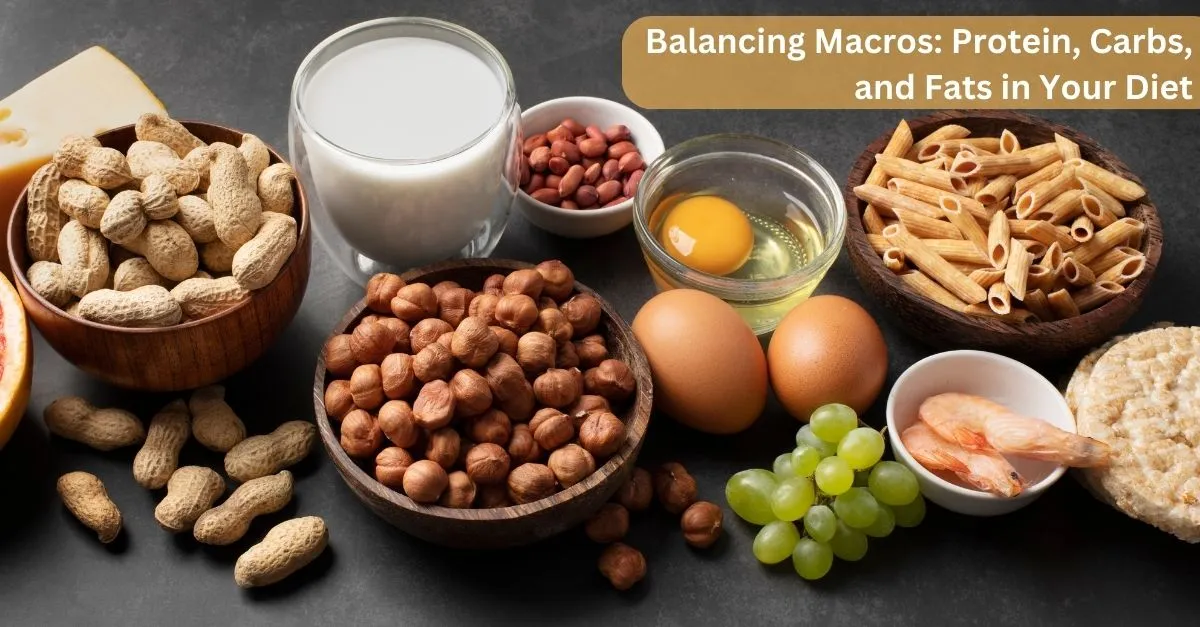


Paradoxically, weight often does not decrease because a person eats too little. A prolonged energy deficit causes the body to reduce its energy expenditure and intensify hunger signals.
A person may think they eat a lot, but at the same time:
-
skips meals
-
lives on small snacks
-
gets too little protein
-
is afraid of carbohydrates and normal portions
Such a pattern creates instability: restriction alternates with overeating, and the body loses trust in the process.
Sometimes weight loss begins not with cutting back, but with stabilizing nutrition.
Training without a system: why activity does not produce lasting results
Physical activity is often seen as a way to “burn off the excess.” However, sporadic workouts do not create lasting change.
Typical mistakes:
-
cardio only, without strength training
-
irregularity
-
lack of progression in training load
Muscle mass plays an important role in body shape and supporting metabolism. Strength training helps improve body composition, increase energy expenditure, and stabilize weight.
The goal here is not an “overly muscular appearance,” but strength, health, and long-term balance.
Why does it feel like: “I’m doing everything, but it’s not working”
Many people change their outward behavior—they start eating properly, exercising, and tracking calories. But their inner beliefs remain the same.
If a person:
-
is afraid of food
-
perceives the process as punishment
-
expects quick results
-
feels constant pressure
perceives changes in the body as stress. Under such conditions, the body does not cooperate but defends itself.
Lasting changes begin when weight loss is no longer a temporary project, but a natural part of life.
What actually helps achieve lasting weight loss
1. Stop viewing weight loss as a short-term project
Weight loss is not a goal of “getting in shape for summer.” It is about developing a new lifestyle that includes nutrition, physical activity, and recovery. When the focus shifts from speed to the process, internal pressure decreases and the results become more stable.
2. First the foundation, then the deficit
Before reducing calories, it is important to build a foundation:
-
regular meals
-
quality sleep
-
reducing stress
-
daily physical activity
Without this foundation, a deficit can work against a person.
3. Work with both the body and mindset
Fears, previous dieting experiences, and guilt can sabotage the process. Changing your attitude toward yourself and food is just as important as a training plan.
4. Take age and resources into account
The “more is better” strategy often does not produce results. Moderation, consistency, and paying attention to recovery are much more effective.
5. Not perfect, but consistent
It is better to:
-
about 7000 steps per day
-
2–3 training sessions per week
-
balanced nutrition
-
quality sleep
than following a strict regimen for a short time and then relapsing.
The expert’s main conclusion
If weight does not decrease or even increases, this does not mean weak willpower, bad genetics, or a “broken” body. Most often, it is a sign that the body is tired, there is no system, or the approach does not fit real life.
Weight loss is not a battle against yourself. It is cooperation with your body. When the process is structured without extremes and takes psychology, age, and individual needs into account, the results become stable, predictable, and safe.
Real change does not happen when a person starts pressuring themselves, but when they create an environment in which the body stops defending itself and begins to support the chosen path. It is precisely this calm, systematic, and respectful approach that creates results that last not just for one season, but for years.